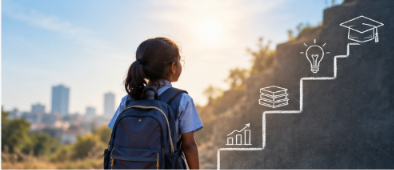
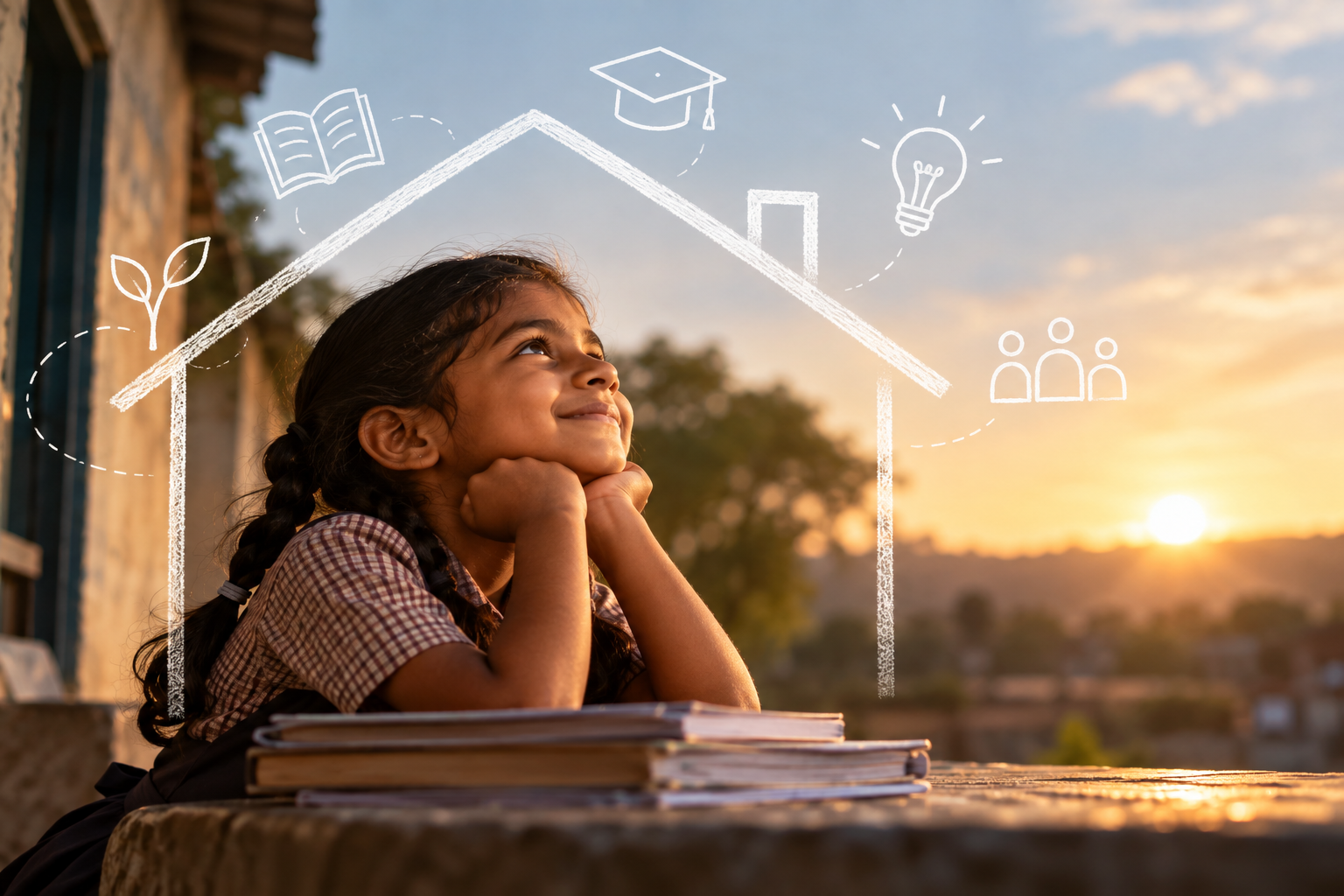
For many children, childhood is a time of learning, playing, dreaming, and discovering who they want to become.
But for children growing up in poverty, childhood can look very different.
Instead of thinking about what they want to be when they grow up, they may be thinking about where their next meal will come from, whether they will be able to continue school, or whether they have a safe place to sleep at night.
Yet a difficult beginning does not have to determine a child's entire future.
Sometimes, what a child needs is not a miracle, but a second chance — a safe environment, access to education, someone who believes in them, and an opportunity to imagine a different future.
Poverty affects far more than a family's income.
It can influence a child's education, health, safety, confidence, and opportunities. When families struggle to meet basic needs, education can become difficult to continue.
A child may have the ability and curiosity to learn, but circumstances can stand in the way.
They may miss school to support their family. They may lack access to learning materials. They may grow up without a quiet or safe place to study.
Over time, these challenges can create a cycle that becomes difficult to break.
But every child deserves the opportunity to step outside that cycle.
A second chance does not always begin with something extraordinary.
It can begin with a classroom.
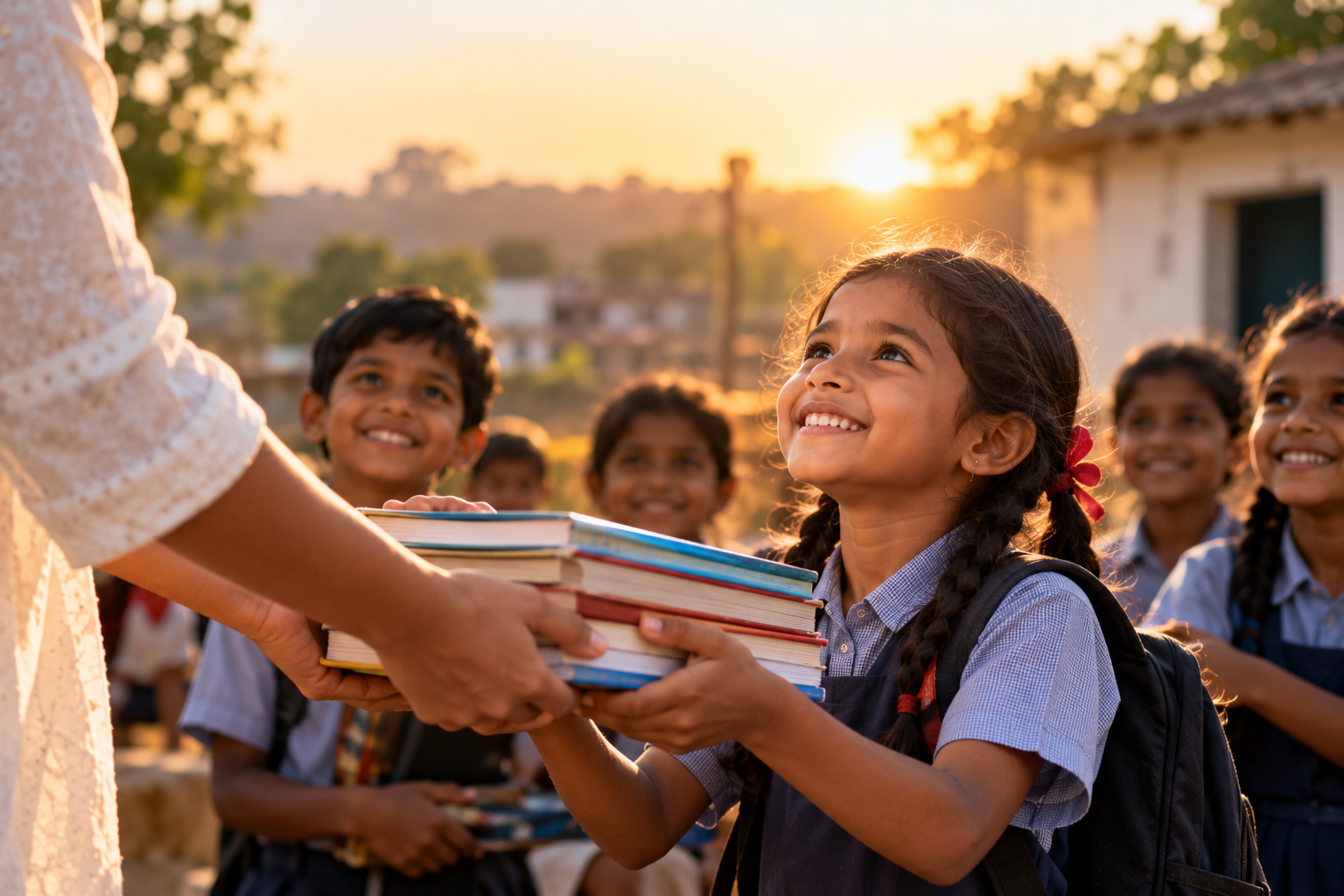
A teacher who patiently explains a difficult lesson.
A nutritious meal that allows a child to focus in school.
A safe place where they can sleep without fear.
A mentor who listens.
A person who says, "You can do this."
These seemingly small forms of support can become important building blocks in a child's life.
When basic needs are supported and education becomes accessible, children have a greater opportunity to focus on learning, developing their skills, and building confidence.
Education is more than textbooks, examinations, and certificates.
For a child living in poverty, education can represent possibility.
It can introduce them to new ideas, skills, professions, and opportunities that may have once seemed out of reach.
A child who learns today may become a teacher tomorrow.
Another may become a healthcare professional, engineer, entrepreneur, artist, or community leader.
The important thing is that they get the opportunity to choose.
That is why supporting children's education is also about supporting their freedom to imagine a future beyond the circumstances they were born into.
Children need more than an education.
They need an environment where they feel safe, valued, and encouraged.
A safe space gives children the freedom to concentrate on their studies, build friendships, express themselves, and develop confidence.
It gives them something that every child should have — the ability to think about tomorrow without being overwhelmed by today's struggles.
A shelter can provide a roof.
But a true shelter of hope can provide something more: the foundation from which a child can begin building a future.
One of the most meaningful changes in a child's journey is the change in the questions they begin to ask.
When life is dominated by uncertainty, the question may be:
"What will happen tomorrow?"
With stability, education, and encouragement, that question can slowly become:
"What can I become?"
That shift represents possibility.
It is the difference between simply surviving and beginning to plan for a future.
And sometimes, the first step toward that future is simply giving a child the opportunity to believe that one exists.
No child chooses the family, community, or economic circumstances they are born into.
Yet these circumstances can influence the opportunities available to them.
Giving children access to education, safe spaces, basic support, and encouragement can help reduce the barriers that stand between them and their potential.
The goal is not to decide what a child's future should look like.
The goal is to give them the tools and opportunities to shape it themselves.
Change does not happen through one person or one organization alone.
It happens when communities come together.
Teachers teach.
Volunteers give their time.
Donors provide resources.
Organizations create programs.
Families support their children.
And individuals choose to care about the future of children they may never have met.
Together, these efforts can create an environment where children are given the opportunity to learn, grow, and dream.
Breaking the cycle of poverty takes time.
It requires consistent support, access to education, opportunities, and a community that believes every child deserves a chance.
At NEEDA, the focus is on empowering communities and creating opportunities for children who face difficult circumstances.
Because a child's story should not end with the challenges they were born into.
With the right support, a story that begins with survival can move toward education.
Education can lead to confidence.
Confidence can lead to opportunity.
And opportunity can open the door to a future that once seemed impossible.
A second chance is more than another opportunity.
For a child, it can mean the chance to learn.
The chance to feel safe.
The chance to dream.
The chance to discover their abilities.
And ultimately, the chance to build a life shaped not only by where they started, but by where they want to go.
Because when we give a child a safe place to grow and the opportunity to learn, we are not simply changing their present - we are helping create possibilities for their future.