Poverty is not only about a lack of money.
For many children, poverty can mean limited access to education, fewer opportunities, difficult living conditions, and a future shaped by circumstances they did not choose.
But education has the power to change that story.
A child who receives the opportunity to learn gains more than knowledge. They gain confidence, skills, choices, and the possibility of building a different future for themselves and their family.
Education can be the first step toward breaking the cycle of poverty.
When a family struggles financially, children often grow up with fewer opportunities than others.
Limited access to quality education can make it difficult to develop the skills needed for better employment and financial independence. As a result, the challenges faced by one generation can continue into the next.
This creates a cycle that can be difficult to break.
But cycles can change when opportunities change.
Providing children with access to education can give them the foundation they need to develop skills, discover their potential, and make choices about their future.
Education is often associated with textbooks, classrooms, examinations, and certificates.
But its impact goes much further.
Education teaches children how to think, communicate, solve problems, and understand the world around them. It can help them develop confidence and become more independent.
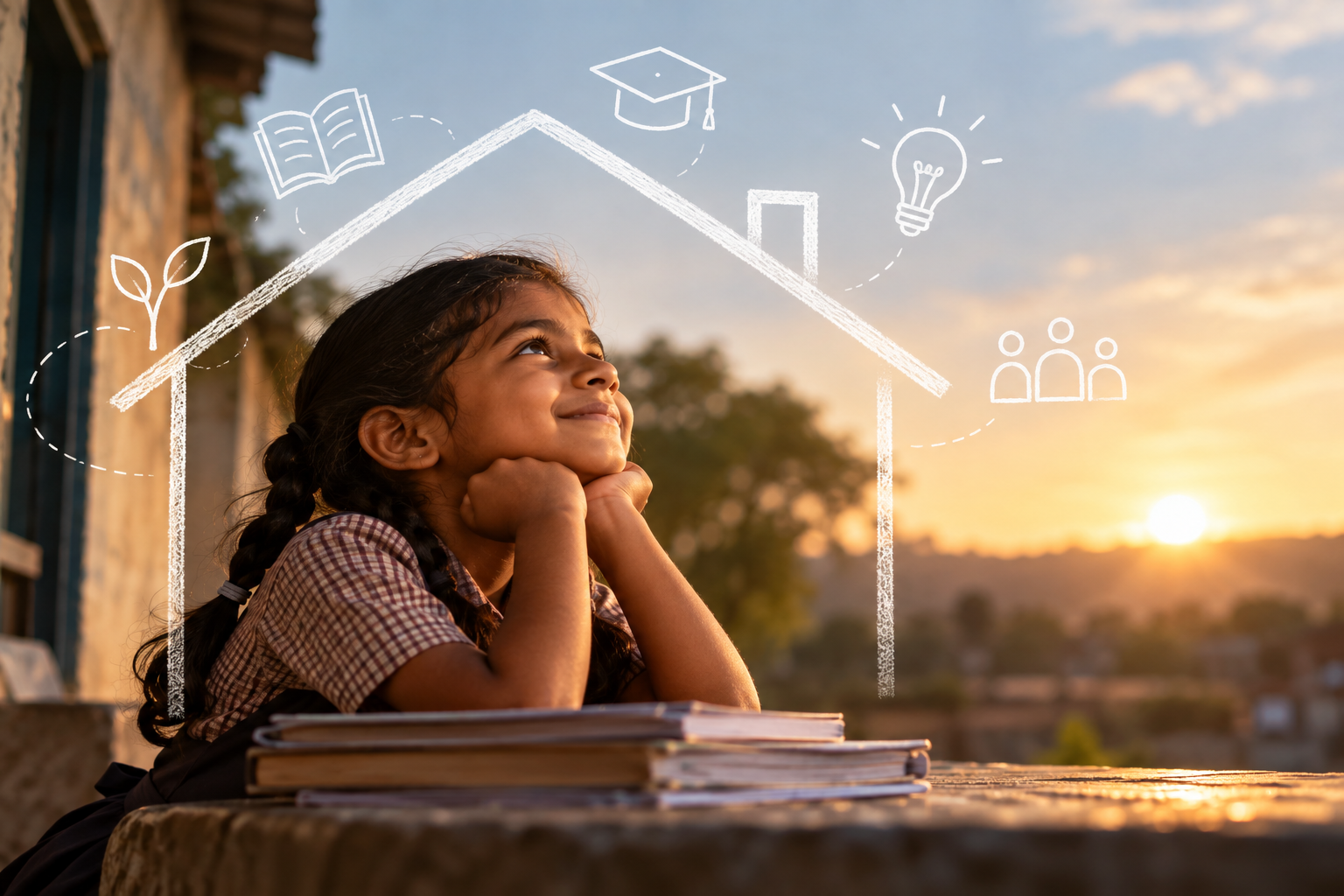
For a child growing up in difficult circumstances, learning can also create something equally important: hope.
Hope that their current circumstances do not have to define their entire future.
Hope that they can develop skills.
Hope that they can pursue their ambitions.
Hope that they can contribute to their families and communities.
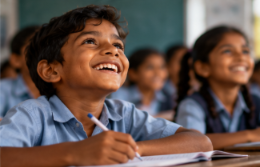
Helping communities overcome poverty requires more than addressing immediate needs.
Food, shelter, healthcare, and basic necessities are essential. But creating lasting change also means helping people build the ability to create sustainable opportunities for themselves.
Education plays an important role in that process.
A child who receives an education today may become a skilled professional, entrepreneur, teacher, healthcare worker, or community leader tomorrow.
The impact can extend beyond one individual.
When educated and empowered individuals contribute to their families and communities, the benefits can reach many more people.
A child's potential should not be determined by their family's income.
Every child has questions they want to ask, things they want to learn, and dreams they want to pursue.
What they need is an opportunity to discover what they can do.
For children living in poverty or facing social disadvantage, access to education can provide that opportunity.
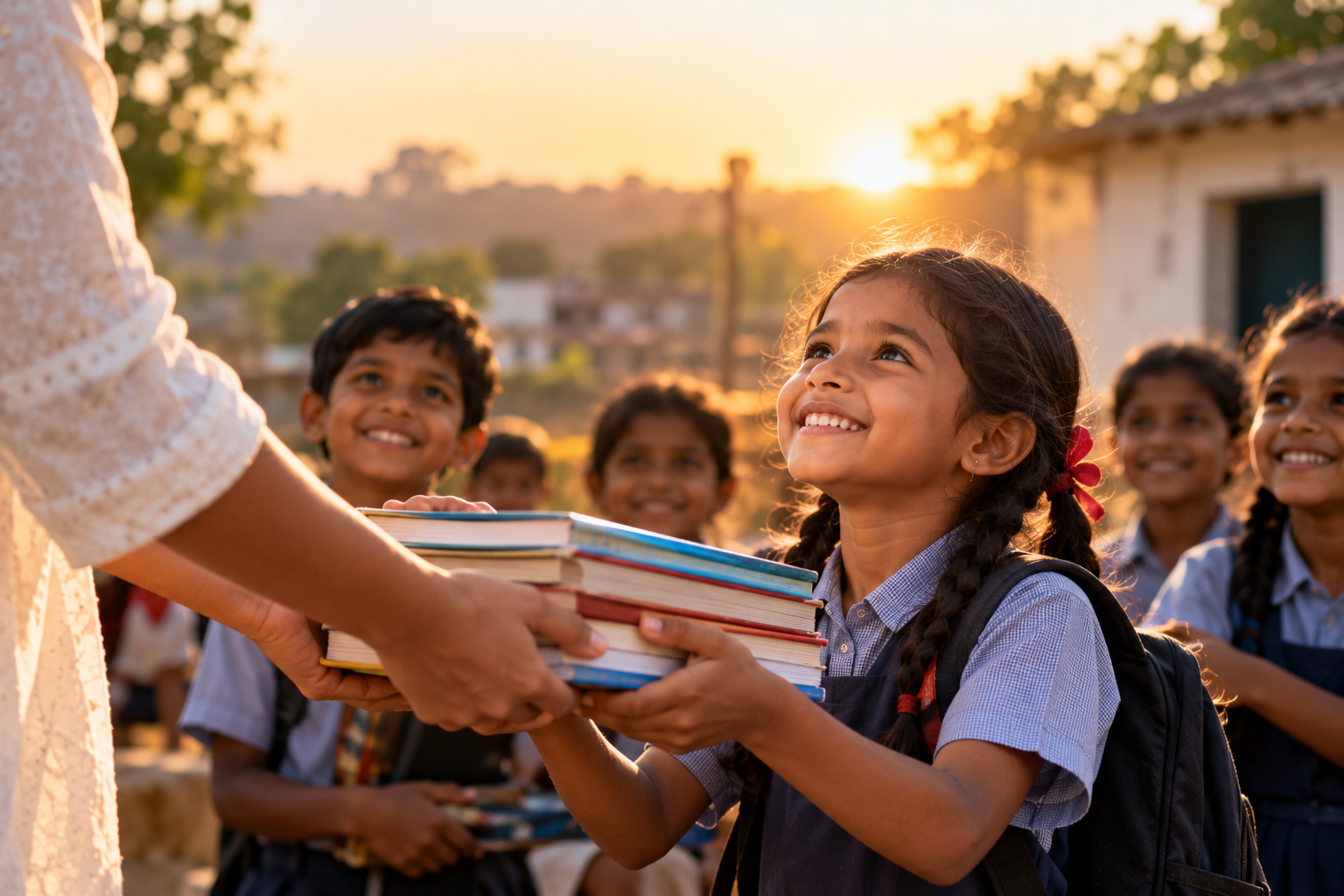
A book can introduce a new idea.
A teacher can inspire a new ambition.
A classroom can open a new path.
And a supportive environment can give a child the confidence to walk that path.
When we invest in a child's education, we are not only supporting that child.
We are investing in the future of families and communities.
An educated and empowered generation can contribute to stronger communities, greater economic participation, and new opportunities for those who come after them.
This is why education is often described as a long-term investment.
The results may not appear overnight. But the knowledge, skills, confidence, and opportunities gained through education can continue to influence a person's life for years to come.
Breaking poverty is not a simple task, and education alone cannot solve every challenge associated with poverty.
But access to meaningful education can be an important part of creating a pathway toward greater opportunity.
It gives children the chance to learn.
It gives them the tools to grow.
It helps them imagine possibilities beyond their current circumstances.
And most importantly, it reminds them that their future is not already written.
At NEEDA, the belief is simple: education can help break the cycle of poverty and create opportunities for children and communities to move forward.
When we give a child access to education, we give them more than a lesson for today.
We give them knowledge they can carry tomorrow.
We give them skills they can build upon.
We give them confidence to pursue their goals.
And we give them the opportunity to imagine a future that may look very different from their present.
Because sometimes, the most meaningful way to change a life is to give someone the opportunity to learn, grow, and believe in what is possible.